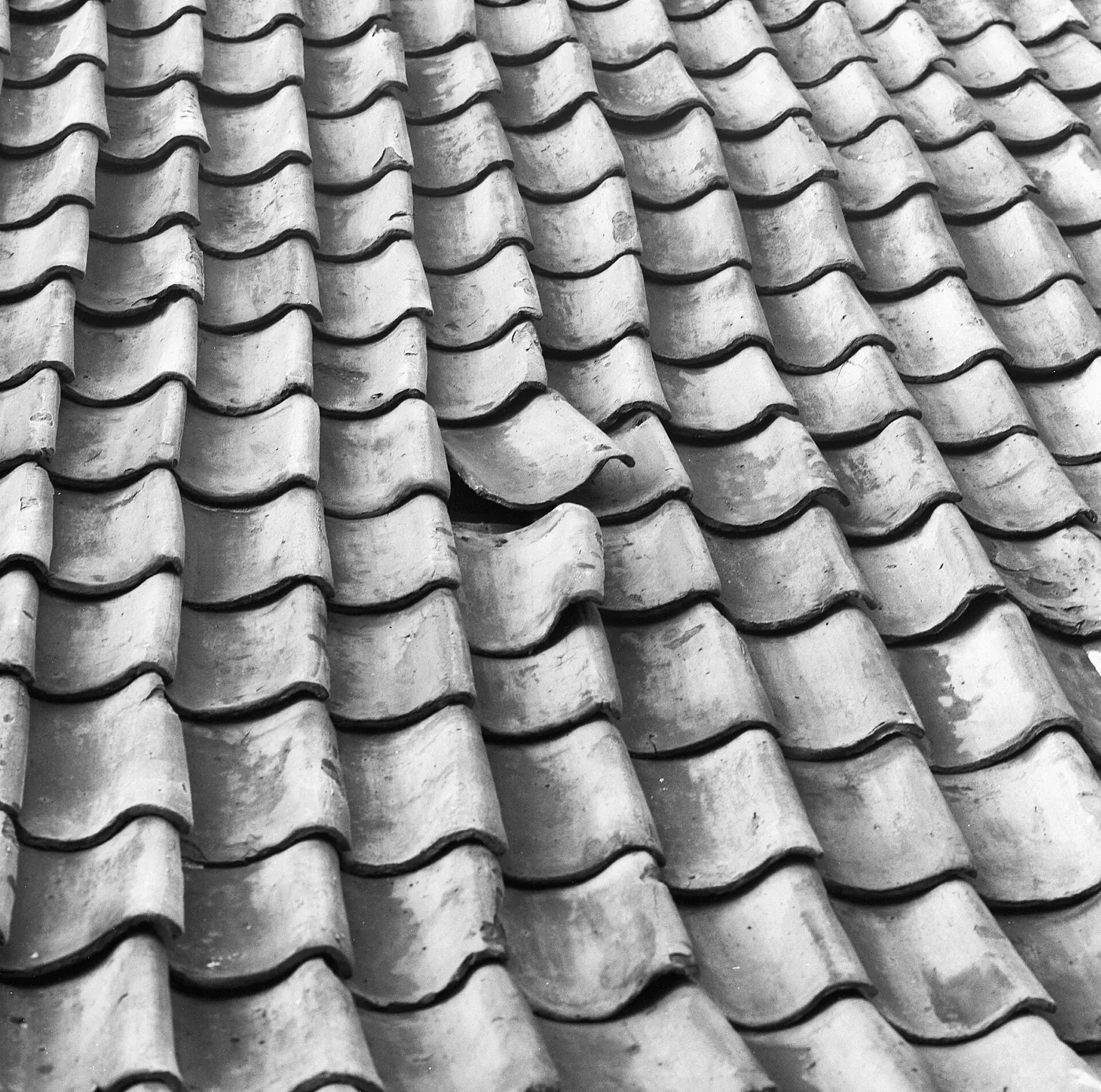
Concrete and clay tiles shed most rain, but they are not waterproof by themselves. Water gets under them through cracks, gaps and worn flashing, and the underlayment below does the rest of the work. When that layer ages out, a tile roof that looks fine from the street can still leak into the ceiling.
This page is a related service to our main emergency roof leak repair throughout Temple City, CA line. Callers with tile roof needs reach the same number and the same process. We are a referral service, not a contractor, so the repair itself is done by independent providers.
What should you do first if your tile roof is leaking or damaged?
Stay off the roof and protect the inside of the house first. Tile is slippery when wet, and walking on it breaks more tiles. Put a bucket under any drip, move furniture and valuables, and call the number on this page.
If the ceiling is bulging or water is near a light fixture, keep clear and switch off power to that area at the breaker. A bulging spot holds a lot of water. Poking a small hole to drain it into a bucket is sometimes done, but only if it is safe and away from electrical fixtures.
If rain is coming, ask the pro about temporary covering. A short-term cover can buy time while the real repair is scheduled. Our page on emergency roof tarping explains how that works.
- Take photos of the damage and the ceiling stain before anything is moved
- Do not climb onto wet tile
- Collect any fallen pieces from the ground but do not stack them on the roof
- Note when the leak started and how heavy the rain was
What are the signs your tile roof needs repair?
The most common signs are visible from the ground or the attic. Look for cracked, chipped or slipped tiles, gaps along the ridge, and tiles that sit crooked in a row. Debris piled in valleys is another warning.
Inside the house, watch for brown ceiling stains, peeling paint, damp insulation and a musty smell in the attic. These often show up after the first big storm of the season, when months of dry weather end and weak spots finally get tested.
- Broken or missing field tiles
- Loose or cracked ridge tile with crumbling mortar
- Dark streaks or damp spots on attic decking
- Stains on the ceiling that grow after rain
- Rust or gaps around chimneys, skylights and vent pipes
Dealing with this in Temple City right now? Call and get connected with an independent local pro.
Tap to Call: (626) 416-2733Why do tile roofs leak in Temple City?
Temple City has long, hot, UV-heavy summers followed by a short wet season, roughly November through March. That swing wears on sealants, flashing and the underlayment below the tile. When a heavy atmospheric-river storm arrives, the weak spots show up fast.
Many homes here are mid-century ranch and bungalow houses, and some have concrete or clay tile roofs that are decades old. The tile itself can last a very long time, but the underlayment under it often does not. Older roofs may also have original decking and aging flashing.
Santa Ana winds can slide or lift tiles and throw branches onto the roof. Mature trees, including camphor trees, drop leaves and limbs that collect in valleys and behind chimneys. That debris holds water and pushes it where it should not go.
How does a pro repair a broken or slipped tile?
The pro starts by checking how widespread the problem is. One cracked tile is a small job, but a cluster of broken tiles often points to foot traffic, a fallen limb or a failing section underneath.
A typical repair follows these steps. Details vary by roof type and what the pro finds, so ask the provider to explain their plan.
- Lift the surrounding tiles carefully to reach the damaged one
- Remove the broken tile and check the underlayment beneath it
- Patch or replace torn underlayment and check the decking for soft spots
- Set a matching replacement tile and secure it as the system requires
- Check nearby flashing, valleys and fasteners
- Clear debris so water can run off freely
Why matching tile can be tricky
Older concrete and clay tiles come in many profiles and colors, and the exact match may no longer be made. A pro may pull spare tiles from a hidden area of the roof or find a close match. Ask about this up front so there are no surprises.
What is ridge tile re-bedding and when is it needed?
Ridge tiles are the caps along the peak and hips of a tile roof. They are held in place by mortar or by mechanical fasteners, and over time heat and movement can crack that bedding. Loose ridge tiles let wind-driven rain in at the highest point of the roof.
Re-bedding means removing the loose caps, cleaning off old material, and setting them again with fresh bedding or approved fasteners. It is often done as part of a repair visit when the ridge shows gaps or crumbling. Wildfire ember season is another reason to keep ridge and end caps sealed, since gaps can let embers into the attic.
Why does underlayment matter more than the tile?
Underlayment is the water barrier under the tile, and it is usually what fails first. Tile covers and shades it, but sun, heat and age still break it down. Once it gets brittle or torn, even a perfect-looking tile roof can leak.
If the pro finds worn underlayment, the fix may be a spot repair or a larger lift-and-relay, where the tiles are removed, new underlayment goes down, and the same tiles are set back. This is the work behind a full tear-off and reroof on tile homes. It is more involved than a tile swap, so ask what the pro recommends and why. See our page on roof replacement for the bigger picture.
How are hidden tile roof leaks found?
Water often enters far from where the stain appears. On a tile roof it can travel along underlayment or decking before it drips. A good pro looks at the attic, the flashing and the tile field together.
Some providers use a moisture meter, infrared thermal imaging or controlled water testing to trace the source. Not every job needs these tools, but they help when the cause is unclear. Learn more on our roof leak detection page.
What affects how long a tile roof repair takes in Temple City?
A small repair of a few tiles or one ridge section can often be done in a single visit, weather allowing. Larger jobs with underlayment replacement or deck repair take longer. Wet weather can delay work, which is why temporary protection is often done first.
Several things shape the timeline and scope:
- How many tiles are damaged and whether a match is available
- Condition of the underlayment and decking
- Flashing at chimneys, skylights and walls
- Roof access and slope
- Whether a permit or city review is needed
- Insurance steps if storm damage is involved
Do tile roof repairs need a permit, a license or insurance review?
Permit rules are handled locally, so confirm requirements with the City of Temple City before larger work begins. Small repairs are treated differently from reroofing, and the pro may know what applies.
In California, roofing work is regulated by the Contractors State License Board (CSLB), and roofing typically falls under the C-39 license class. We cannot verify any provider, so ask each one about licensing and insurance and confirm directly with CSLB.
If storm damage is involved, take dated photos and keep receipts for a possible homeowners insurance claim. Storm damage documentation helps the claim go more smoothly. Our page on storm damage roof repair covers this in more detail.
How can you prevent tile roof problems in Temple City?
Prevention is mostly about regular checks and keeping water moving. Have the roof looked at before the rainy season starts, and again after big wind or storm events. A short inspection often catches small problems while they are still cheap to fix.
Keep gutters, downspouts and valleys clear of leaves and camphor tree debris. Trim limbs that hang over the roof. If your home is close to the foothills, ask about Class A fire-rated roofing and ember-resistant details when planning repairs. A gutter repair and cleaning visit is a simple way to cut overflow risk.
- Schedule a roof check before November
- Clear valleys and gutters after wind events
- Trim overhanging branches
- Avoid walking on tile; hire a pro for any roof work
- Replace cracked tiles quickly
Where do you help with tile roof repair near Temple City?
The independent providers we connect you with serve homes across Temple City, including the Temple City Park and Civic Center area, where many mid-century houses have aging composition and tile roofs. They also serve nearby communities such as San Gabriel, Arcadia, Rosemead, El Monte and Alhambra.
Availability depends on the provider and the day. Call the number on this page, describe what you see, and we will connect you with a local pro who can talk through next steps.
Frequently asked questions
Can a few broken roof tiles cause a leak?
Yes, they can. A cracked or missing tile exposes the underlayment to sun and rain. If the underlayment is old, water can reach the decking and the ceiling quickly, especially in a heavy storm.
How long does underlayment last under a tile roof?
The tile can last a very long time, but the underlayment often wears out sooner because of heat and age. Lifespan depends on the material used and the roof's exposure. A pro can check its condition during an inspection.
Is it safe to walk on my tile roof to check for damage?
It is best not to. Tile can crack under foot traffic and is slippery when wet. Look from the ground with binoculars, or check the attic for stains, and let a pro handle the roof.
What is the difference between tile repair and re-roofing?
Repair fixes specific problems like broken tiles, ridge caps or flashing. Re-roofing replaces the underlayment and often the whole roof system. On tile roofs, the tiles are often removed and reset over new underlayment.
Should I get temporary protection before the repair?
If rain is expected and water is coming in, yes. Ask the pro about a temporary cover. It can limit ceiling, insulation and drywall damage and lower the chance of mold growth while you wait for the full repair.
Does homeowners insurance cover tile roof damage?
It may if the damage came from a covered event such as a storm or fallen tree limb. Wear and age are often excluded. Photograph everything and talk to your insurer about your policy.